
Free OnlyFans Pages by Category: What You Get
Finding free OnlyFans pages takes minutes, but judging what a zero-dollar subscription actually includes takes a little more work. A free page can offer a full feed, occasional previews, or almost nothing beyond a welcome message. The difference usually comes down to category, not luck. This article explains what free access means in practice, how categories change the value of that access, and which signals separate a useful page from an empty one.

It is worth clarifying what “free” means on the platform itself. A free page is simply a page where the subscription price is set to $0. The creator earns through pay-per-view messages and tips instead of monthly charges. That single design choice shapes everything a visitor sees.
Paid pages sit in a different range. Subscriptions run from a $4.99 minimum to a $49.99 maximum, with most paid pages charging between $4.99 and $15 and averages landing around $5 to $10. There is no base price below $4.99, though promotional first months may dip under it. Free pages skip that structure entirely.
Free tier reality
A zero-dollar subscription is an entry point, not a full product. What you receive depends on how the creator uses the page. Some treat it as a preview channel; others treat it as a main channel supported by tips and messages. The signals below separate a genuinely active free page from a placeholder.
| Signal | Good example | Poor example |
| Posting pace | New posts most weeks with dates visible on the feed | Latest post several months old |
| Media mix | A blend of previews, text updates and occasional full posts | Only teaser images that repeat |
| Pricing clarity | PPV prices stated in the message before purchase | Vague captions pushing an unlock with no figure |
| Tip prompts | Occasional requests tied to specific content goals | Constant prompts with no stated purpose |
| Profile detail | Bio explains what the free tier covers | Bio copies a paid page description with no adjustment |
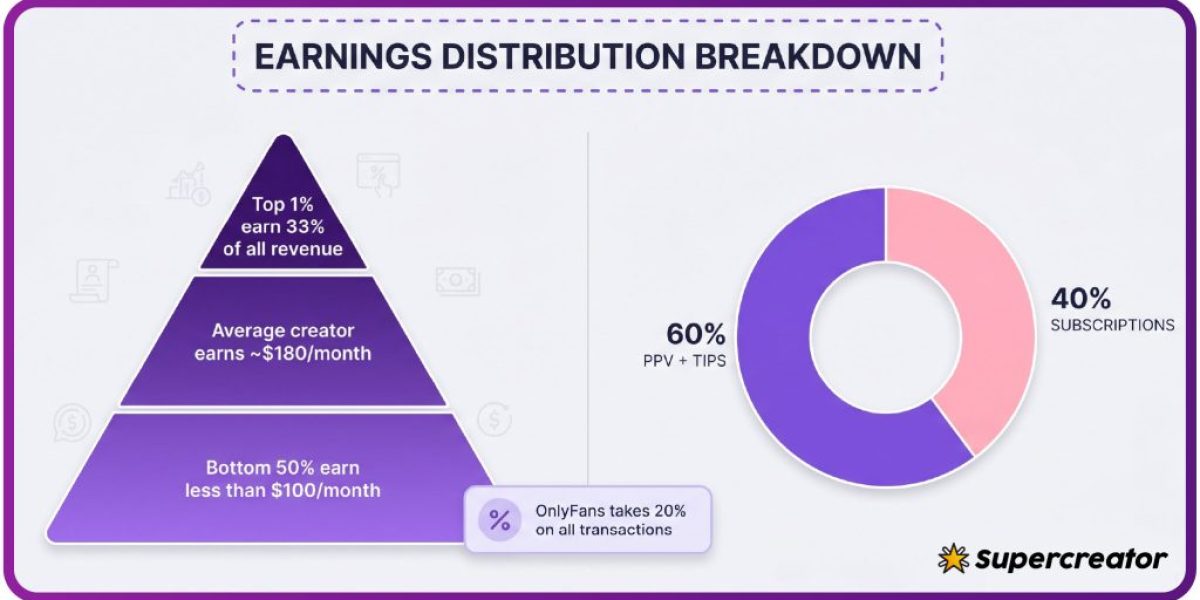
The platform takes a 20% fee on everything, including subscriptions, tips and pay-per-view unlocks. The creator keeps 80%. That math applies to free pages too, which is one reason tips and PPV carry so much weight there.
Practical tip: before following any free page, open the profile and read the bio twice. If the bio does not state what the free tier includes, assume the feed alone is the entire offer and set your expectations accordingly.

Category differences
Free page value shifts noticeably across content categories. Fitness pages often post routine clips and progress updates with tips as the main revenue path. Cosplay and hobby pages lean on occasional themed sets pushed through PPV. Advice and commentary pages frequently post text-first updates with few unlocks. Music and performance pages sometimes use free access purely to promote work hosted elsewhere.
Because categories behave differently, comparison has to happen at the category level. Ranking services such as BestOnlyFans exist to compare public profile prices, promotions, activity and media counts across pages. That kind of side-by-side view is more useful than reading pages one at a time.
Follow this order when comparing free pages within a category:
- Check the posting dates on the first visible screen of the feed.
- Count how many posts include original media rather than recycled previews.
- Read the bio for a clear statement of what the free tier covers.
- Note whether PPV prices appear before the unlock prompt.
- Scan recent messages for tip frequency and wording.
- Compare the media count against other pages in the same category.
A second ranking service, BestOnlyFans, groups pages so that activity and media counts can be weighed next to each other. A third reference point is BestOnlyFans as a comparison tool for promotions, since promotional offers change how a free tier looks from month to month.

PPV patterns
Pay-per-view behaviour is the clearest category marker on a free page. Some categories send PPV messages weekly, others almost never. The pattern matters more than any single price, because it predicts what a typical month will cost.
These PPV patterns show up more in some categories than others:
- Bundled sets sent as a single message with one unlock price.
- Short clips offered as low-cost add-ons between larger posts.
- Seasonal or event-based drops tied to a specific date.
- Preview grids where only part of the media is unlocked.
- Custom requests opened only to subscribers who respond to messages.
None of these patterns is inherently better than another. The question is whether the pattern matches what you actually want to see. A category that sends frequent bundles suits someone who wants variety; a category that rarely sends PPV suits someone who wants a quiet feed.
Warning: unmetered PPV messages can add up faster than a paid subscription. If you follow several free pages in message-heavy categories, track your monthly unlocks before adding more.

Tip pressure
Tip prompts vary by category and by pace. Some pages ask once a week with a stated reason; others ask after nearly every post. Neither approach is wrong, but the frequency changes the real cost of following a page. A practical starting point is best onlyfans competitors, which lists pages by the signals above.
Here is a rough month-by-month view of costs to expect from free pages:
- Month one: little to no spend while you read the feed and gauge the pace.
- Month two: occasional small unlocks if a PPV pattern fits your interests.
- Month three: tip prompts become predictable, so you can budget around them.
- Month four onward: costs stabilise unless the creator changes the format.
Price changes on a creator’s page follow a specific rule. When a subscription price is raised, auto-renew stops, and existing access lasts until the current paid period ends. On free pages there is no charge to renew, so the practical effect is limited to paid tiers.

Cost table
The table below compares free page access limits and hidden costs by category. Figures are general patterns, not quotes from specific accounts.
| Category | Free access limit | Hidden cost to expect |
| Fitness | Routine clips and text updates | Frequent low-price PPV and tip prompts |
| Cosplay and hobby | Occasional themed previews | Higher-priced seasonal bundles |
| Advice and commentary | Mainly text posts | Few unlocks, some paid tier upsells |
| Music and performance | Promotional clips | External costs for full releases |
| General lifestyle | Mixed feed with previews | Steady mid-range PPV pace |
Two variables drive most of the difference: how often the creator posts, and how much of that posting sits behind a paywall. Both are visible from the profile before you commit to anything.

Discovery limits
The platform has no built-in discovery feed or directory, which is exactly why ranking sites exist. That absence means visitors cannot browse by category inside the app. Outside tools fill the gap, but they vary in how much category detail they provide.
These mistakes are common when people search for free pages:
- Treating follower counts as a proxy for category fit.
- Assuming every free page runs the same posting schedule.
- Ignoring the bio and judging only from the first post.
- Comparing a free page to a paid page without adjusting expectations.
- Following many pages at once instead of testing one or two.
Each mistake leads to the same outcome: a follow list that does not match what you actually want. Slow, category-first comparison avoids that.
Value check
A short set of questions keeps a follow list useful. Answer them before adding any new free page.
Ask these questions before following another free page:
- Does the bio state what the free tier includes?
- Are the latest posts recent and original?
- Do PPV prices appear before the unlock prompt?
- How often do tip prompts appear in recent messages?
- Does the media count suggest a steady posting history?
- Does the page sit in a category you actually follow?
If the answers are unclear, wait. A free page is easy to follow and just as easy to unfollow, so there is no cost to being selective.
A data breach at any service can leak an email address and a password reused elsewhere.
Trimming follows
Trimming is the final step and the one most people skip. Free pages accumulate quietly, and a list of twenty is harder to read than a list of five. Reviewing follows once a month keeps the list aligned with your interests.
Drop a free page when the posting pace stalls, when PPV messages arrive without a stated price, or when the category has drifted away from what you followed for. None of these is a judgement on the creator; it is simply list maintenance. A smaller, category-matched list is easier to budget for and easier to enjoy.
For anyone weighing free pages against paid ones, the paid range runs from $4.99 to $49.99, with most paid pages between $4.99 and $15 and averages near $5 to $10. Free pages are not a cheaper version of that; they are a different format built on PPV and tips. Compare them as separate products and the decision becomes straightforward.
FAQ
What does a free page actually include?
It includes whatever the creator chooses to post at no charge. Some free pages carry a full feed, while others act as previews for pay-per-view messages and tips.
Do free pages ever charge anything?
The subscription stays at $0, but pay-per-view messages and tips are optional paid actions. A free page can still cost money if you choose to unlock content.
Why is there no free price below $4.99 on paid pages?
There is no base price below $4.99 for paid subscriptions. Only promotional first months may dip under that minimum, and the standard rate returns afterwards.
How much does the platform keep from a free page?
The platform fee is 20% on subscriptions, tips and pay-per-view unlocks. The creator keeps the remaining 80%. This applies to free pages as well.