
Finding Real OnlyFans Pages Without Platform Search
Finding a real OnlyFans page outside the platform starts with accepting a simple fact: there is no search box that lists creators for browsing. The platform has no built-in discovery feed or directory, so every list, ranking, or link you meet online was assembled by someone else. That means the quality of what you find depends on how carefully you check it. This article explains how discovery actually works and how to cross-check sources before you trust a page.

Free pages are not a marketing trick, but they do have a different economy behind them. A creator sets the subscription price to $0 and earns through pay-per-view messages and tips instead. Paid pages sit between $4.99 and $49.99, though most cluster in the $4.99-$15 band. Once you understand those two models, the rest of the search process becomes much easier to judge.
It helps to know what a month of following a page actually costs before you start collecting links. The subscription is only one line item, and the totals vary widely depending on how a creator runs their page.
- Subscription: free on some pages, or $4.99 to $49.99 on paid pages, with $5-$10 being the common range.
- Pay-per-view messages: unlocked individually on free pages, priced by the creator.
- Tips: optional on almost every page, sometimes requested for specific content or requests.
- Renewal: automatic unless you cancel, and it stops automatically if the creator raises the price.
A raised price does not remove your access right away. Auto-renew stops, and existing access lasts until the current paid period ends. If you keep a budget in mind per creator per month, cross-checking pages later will feel less like guesswork.
Why discovery is hard
The absence of a discovery feed is the core structural reason finding pages feels difficult. OnlyFans is built around direct relationships, so it never added a browsing layer or a public directory. Ranking sites exist precisely because that gap is real and persistent. Anyone claiming to have an official platform search is describing something that does not exist.
This design has a practical consequence for anyone comparing pages. You cannot verify a creator by looking them up inside the platform unless you already have their link. Links therefore travel through social profiles, forums, and third-party lists, and each of those paths has its own reliability level.

External channels
People generally find pages through a small number of channels, and each one fails in a different way. Knowing the channel tells you how much independent checking is needed. A directory with a review process is not the same as a random comment reply.
- Ranking and directory sites that group pages by category and update on their own schedule.
- Social profiles on other platforms where creators link their page directly.
- Forum threads and community posts where users share and discuss links.
- Search engine results, which often surface cached list pages rather than live pages.
- Word of mouth from people you already know online.
Direct links from a creator’s own social profile are usually the strongest signal, because the account holder controls them. Aggregated lists are convenient but inherit the age of their last update. Older list pages may still point to creators who have left or changed their pricing.
Practical tip: before subscribing to any page you found through a list, open the creator’s own social profile and confirm the same link appears there. A link that exists only inside one ranking article has no second source behind it.

Ranking site limits
Third-party lists are useful starting points, not final answers. They are built from a mix of manual review, creator submissions, and lazy scraping, and the mix is rarely disclosed. BestOnlyFans, like similar projects, publishes groupings that can help you narrow a search, but the underlying data can go stale within weeks. Treat every list entry as a claim to verify rather than a fact.
Staleness shows up in predictable ways: dead links, changed prices, renamed accounts, and pages that switched from paid to free or the reverse. None of that means the list is dishonest; it means the list is a snapshot. Your job is to check whether the snapshot still matches reality.
- Assuming every entry on a list is currently active.
- Trusting a price shown on a list instead of on the page itself.
- Believing a ranking reflects quality rather than promotion or traffic.
- Subscribing through a shortened or redirected link instead of a direct one.
- Ignoring the date of the last update on the page you are reading.
When in doubt, assume the list is older than it claims. Cross-checking a handful of entries will quickly show you which lists are maintained and which are abandoned.

Cross-check method
A short comparison across two or three independent sources removes most of the uncertainty. The goal is not to find a perfect source but to confirm that separate sources agree on the same basic facts. Disagreement is itself useful information.
| Signal | Source A | Source B | Source C |
| Direct link to the page | Ranking list | Creator’s social profile | Forum mention |
| Current price model | List entry, often dated | Page itself | Recent user comments |
| Account activity | Rarely shown | Post dates on social | Thread recency |
| Category or niche | List tag | Creator’s bio | Reader discussion |
Two matching signals are a reasonable threshold before you commit money or attention. One signal alone is a lead, not a conclusion. This is the same discipline the better genre guides use when they group pages, such as this reference on best onlyfans genres, where categories are only meaningful if the underlying pages still exist.

Spotting fakes
Copy pages and abandoned accounts look similar at first glance, so check the details rather than the design. A page that copies another creator’s name usually has a different link, a thin bio, and a short history. Abandoned pages tend to keep the same price while the posting record stops.
- The link differs from the one on the creator’s verified social profile.
- The bio is generic, reused, or copied word for word from another page.
- There is no posting history, or the history stops months ago.
- Payment is requested outside the platform’s normal subscription flow.
- Messages push you to a second site before you have subscribed.
Any single item on that list is worth a pause; two or more is a reason to walk away. Remember that the platform takes a 20% fee on subscriptions, tips, and pay-per-view, and the creator keeps 80%. Anyone offering to bypass that structure is offering something the platform does not support.
Warning: a free subscription does not mean zero cost. Free pages earn through pay-per-view messages and tips, so your spending can exceed a modest paid subscription if you unlock content regularly.

Safety basics
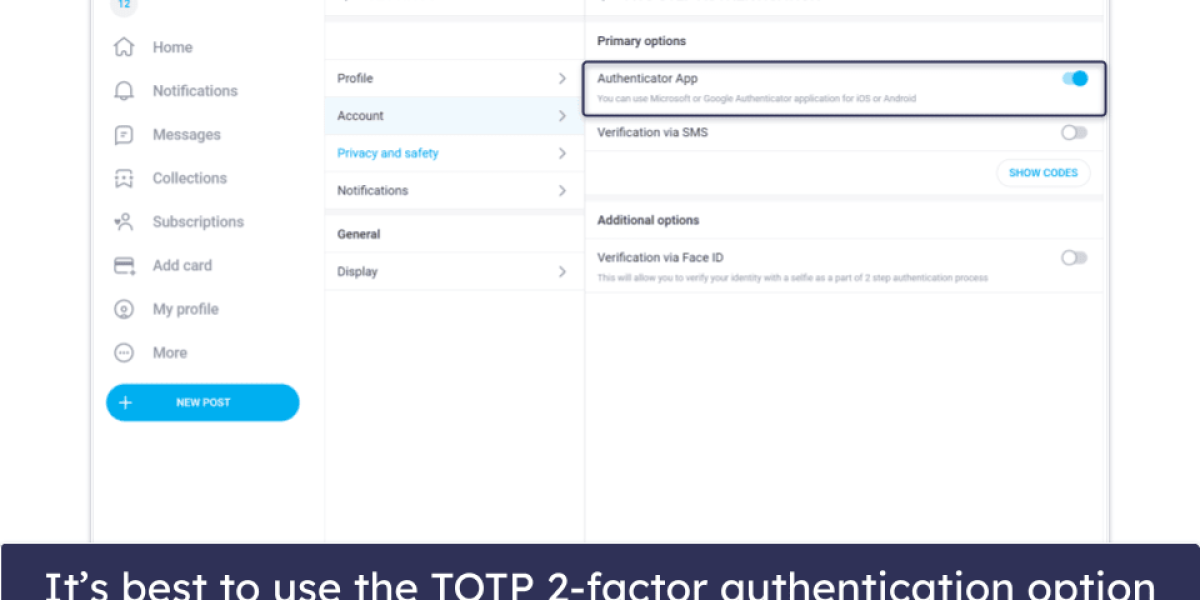
Browsing external links means leaving the platform’s own environment, so keep personal details separate. Use a dedicated email address for signups and avoid reusing passwords across sites. Enabling two-step authentication on any account you do create is a basic step, not an optional one.
Payments are the other area where separation matters. Keep the payment method you use for subscriptions distinct from your main accounts where possible. If a page asks for payment through a channel the platform does not operate, treat that as a stop signal.
Cancelling is straightforward but worth understanding in advance. If a creator raises the subscription price, auto-renew stops automatically and access continues until the current paid period ends. You can also cancel manually at any time, with access running to the end of the period you already paid for.
Regional gaps
Availability and payment options vary by location, and this affects both what you can find and what you can pay with. A page that works for one reader may be unreachable or unsupported for another. This is one reason a single global list can never be fully accurate.
| Situation | What varies | Practical effect |
| Different country | Payment provider support | Some cards or methods are declined |
| Restricted network | Access to external list sites | Direct links are harder to reach |
| Currency mismatch | Converted pricing | The displayed price differs from the list |
| Local rules | Platform availability | Accounts may be limited or blocked |
Because of these gaps, a page you cannot reach today may be reachable later, and the reverse is also true. BestOnlyFans and similar directories cannot solve regional restrictions, so plan for alternatives. Keeping two or three candidate pages instead of one reduces the impact of a single blocked link.
Building a shortlist
The final step is narrowing a long list of candidates to a few pages you actually want to follow. Criteria should be practical rather than emotional, because a shortlist you can maintain is worth more than a long one you abandon. BestOnlyFans groupings can supply candidates, but the filtering is yours to do.
- Confirm the link appears in at least two independent sources.
- Check whether the page is free or paid, and note the exact price.
- Look at how recently the account posted or updated.
- Compare the niche or category against what you actually want.
- Set a monthly ceiling per creator before you subscribe to anything.
Five candidates is usually enough to start. Drop any that fail a check, and revisit the list after a month to see which ones are still active. Discovery outside the platform is a repeating process, not a one-time search.
FAQ
Is there an official search feature for finding pages?
No. OnlyFans has no built-in discovery feed or directory, which is why third-party ranking sites exist.
What is the lowest price a paid page can have?
The minimum paid subscription is $4.99. Only promotional first months may dip below that, and there is no base price under it.
What happens if a creator raises the subscription price?
Auto-renew stops automatically, and existing access lasts until the current paid period ends.
How much does the platform take from creators?
The platform fee is 20% on subscriptions, tips, and pay-per-view, so the creator keeps 80%.